Tuesday, 19 May 2020

10 Tips And Tricks To Outsmart Everyone At The Theme Park

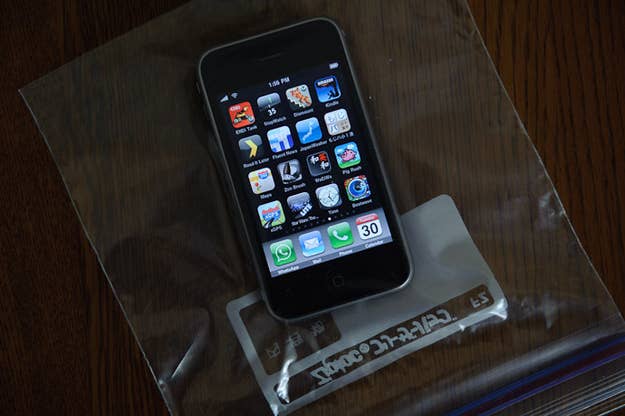
1. Bring ziplock bags to protect your cell phone from water rides.


It is way too often that a cell phone meets its demise during a drop down Splash Mountain. Save your money (and your rice) by taking a simple measure to protect your phone's life.

2. Take a picture of your parking spot on your digital camera or cell phone.


  •  
  •  
  •  
  •  
Sometimes you look at the lot number and think you've got it all figured out, until you're lost trying to locate your car eight hours later. This is an easy way to find your vehicle quickly!

3. Pack a poncho in your bag.


  •  
  •  
  •  
  •  
Whether it be rain or a water ride, getting soaked is probably not your preference. Buy a cheap poncho at a Wal-Mart or CVS and be thankful for your dry clothes.

4. Head to the park early in the morning to avoid big crowds.


  •  
  •  
  •  
  •  
Get some sleep the night before, and make it your mission to be the first one at the park. You can also nap during the afternoon and go back later when people are getting tired and heading home.

5. Buy a rechargeable smartphone case as a backup plan.


  •  
  •  
  •  
  •  
As much as we don't like to admit it, we humans are compelled to be on the phone all day, every day. Texting, taking pictures, and updating Facebook drains your battery. A rechargeable case will come in handy for several occasions!

6. Purchase tickets online.


  •  
  •  
  •  
  •  
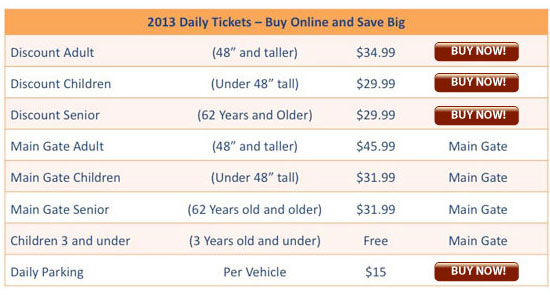
You can most likely find discount codes or season specials when purchasing online. Plus, you'll save a ton of time at the park entrance.

7. Walk the park backward so you can skip the long, crowded lines.


  •  
  •  
  •  
  •  
At Islands of Adventure, everyone's instinct is to walk left toward the Hulk. But if you head toward Seuss Landing first, the lines will be much less crowded. Note the direction people tend to follow and head the opposite way.

8. If you have children with you, write your phone number on their wrist.


  •  
  •  
  •  
  •  


  •  
  •  
  •  
  •  


  •  
  •  
  •  
  •  

This will help if your child wanders off. You can also write your phone number in the tongue of their shoes.

9. Look into ticket upgrade options.


  •  
  •  
  •  
  •  
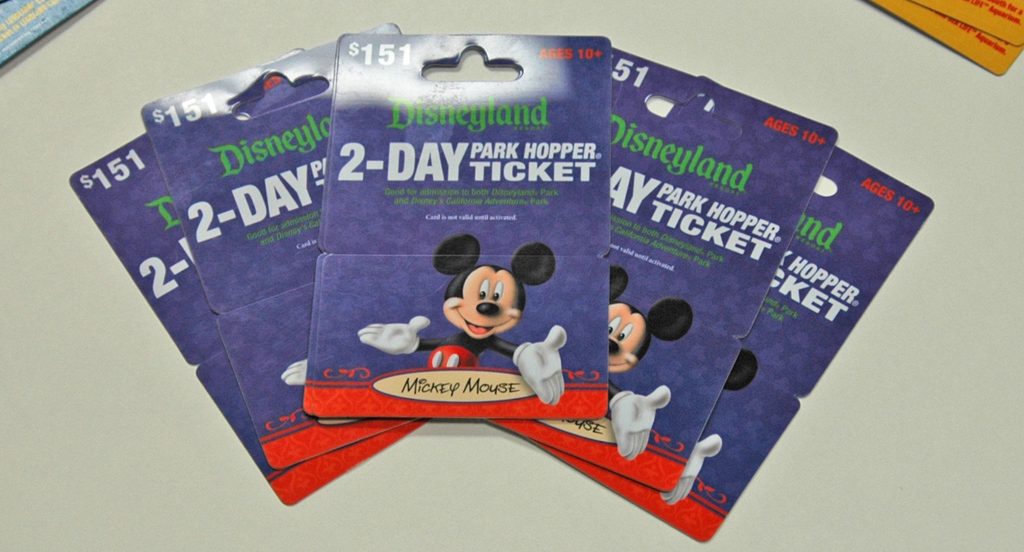
Should you decide you'd like to return to the park another time, you can ask about upgrading to a multi-day pass. Most parks will allow you to apply the cost of that day's ticket to the new pass.

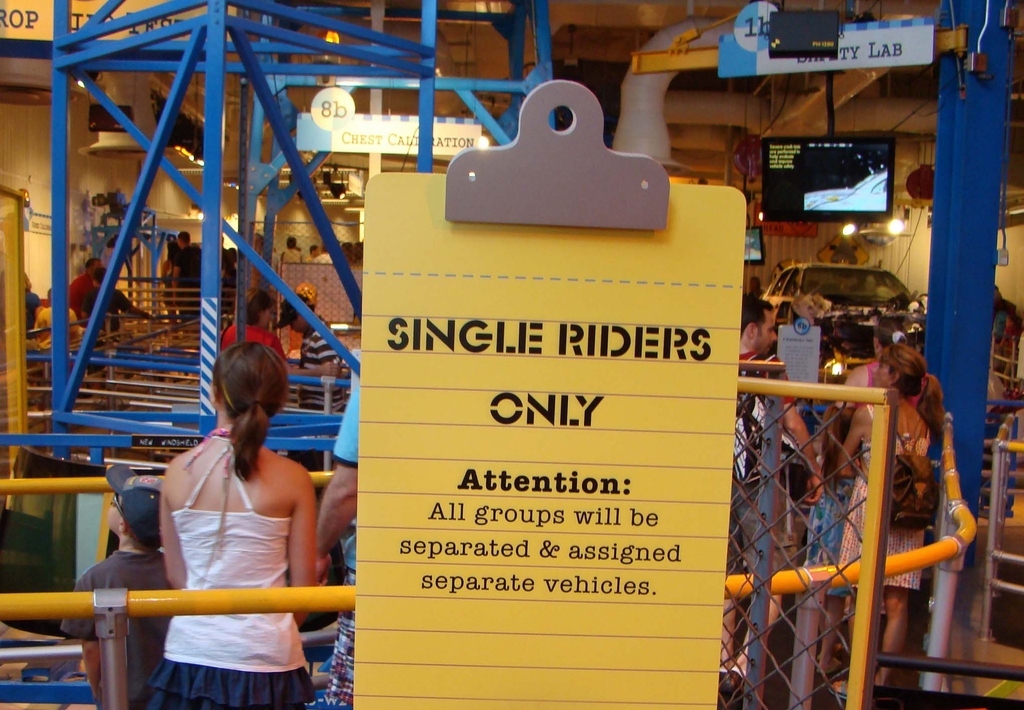
10. If you're traveling alone, look for the single riders line.


Honestly, you can even go with your friends and hang out together in the single riders line. It's way shorter and you'll still be off the ride within a few minutes of each other.

Friday, 15 May 2020

Shopping in Portugal

Though most large towns in Portugal have at least one out-of-town shopping centre, in the majority of places people still do much of their purchasing in traditional shops and markets. Old town centres look like they haven’t changed much for thirty years or more, with a butcher, a baker and a candlestick-maker on every corner, not to mention a florist, a grocer and a hardware store.
Continue reading to find out more about...
Prices are fixed in shops everywhere, though you might be able to negotiate small discounts when buying large souvenirs (or buying in bulk). Open-air markets are a bit more flexible, though don’t try haggling for food, drink, clothes or anything that has obviously got a price attached to it – for everything else you can try asking for the best price, and you may get a discount.

Markets

A town’s mercado municipal (municipal market) is the place to buy meat, fish, fruit, veg and bread. In larger towns they are open daily (not Sunday), usually from 7 or 8am until lunchtime; smaller towns might have a market just once or twice a week. Often, a town’s regular market is supplemented by a larger weekly affair, sometimes at a different site in the open air, where you’ll also be able to buy clothes, shoes, ceramics, baskets, furniture, flowers, toys, tools and a million-and-one other things you never knew you needed. In the case of the great weekly markets at Barcelos (Minho; Thurs), Viana do Castelo (Minho; Fri), Ponte da Barca/Arcos de Valdevez (Minho; Wed), Carcavelos (Lisbon; Thurs), Estremoz (Alentejo; Sat) and LoulĆ© (Algarve; Sat), or the monthly markets at Ɖvora (Alentejo; second Tues) and SantarĆ©m (Ribatejo; second/fourth Sun), these constitute a major reason to visit in the first place. The best flea market in the country is Lisbon’s Feira da Ladra (Tues & Sat), just the place to buy a candelabra or a set of dusty postcards.

Minimarkets, supermarkets and malls

In small villages and towns the minimercado (minimarket) is as convenient as convenience-shopping gets, which isn’t very if you want a store bigger than someone’s front room. Supermercados tend to lie on the outskirts of towns – IntermarchĆ©, Pingo Doce, Jumbo, Continente and Mini-PreƧo are the main supermarket names, selling pretty much everything you would expect (though choices can be more limited in out-of-the-way locations), while the pile-’em-high Lidl is increasingly prevalent. In Lisbon, Porto, Coimbra and the Algarve, the mall is king. Geared up for whole days out, these giant shopping centres have hundreds of stores, plus cafĆ©s, fast-food restaurants, cinemas and kids’ entertainment.

Ceramics

Highest-profile souvenirs are probably ceramics of all kinds, from traditional azulejo tiles to elaborate figurines, cookware to sculpture. The virtual symbol of Portuguese tourism, the ceramic Barcelos cockerel, perches on every tat-shop shelf. You can buy rustic, brown kitchen earthenware in every market and supermarket for just a few euros, but interesting regional variations include Barcelos’ own brown-and-yellow pottery ware, black earthenware (from Tondela) and the almost Aztec-style patterns typical of Santa Comba DĆ£o in the Viseu region. Porches is the centre for the Algarve’s pottery and ceramics, while Caldas da Rainha in the historic region of Estremadura is probably the best-known ceramics town – caricatured rustic figurines and floral- and animal-inspired plates and bowls have been produced here since the nineteenth century. Estremoz in the Alentejo has an even older heritage, and is also known for its elaborate figurines and its flower- and leaf-festooned pottery.

Carpets, rugs, blankets, tapestries, linen and lace

Hand-stitched Arraiolos carpets (from the town of the same name in Alentejo) have a worldwide reputation, and they cost a fortune, but there’s nothing to stop you looking. Tapestries from Portalegre (Alentejo) have been known since the seventeenth century, and the colchas or embroidered bedspreads of Castelo Branco (Beira Baixa) for just as long – again, the high prices and lengthy ordering times mean these are unlikely spur-of-the-moment purchases for most visitors. Hand-woven woollen rugs and blankets are a more realistic buy, with particularly fine examples from Reguengos de Monsaraz (Alentejo) – you can hang them on a wall. Rustic woolly blankets (and fleece-lined slippers) are also a feature of the mountain villages of the Serra da Estrela – Sabugeiro has hundreds of them displayed in its souvenir shop windows. For embroidered linen and lace it’s Vila do Conde (north of Porto) that is the best-known centre, though many other fishing towns – such as Peniche and NazarĆ© (north of Lisbon) – also have a strong bobbin-lace tradition. The biggest and best pieces command high prices, but there’s plenty of reasonably priced work available too.

Food and drink

Port wine is the most popular buy, with cheap run-of-the-mill stuff available in supermarkets or gathering dust above the salt cod in old-fashioned grocery stores. For specific names and vintages you'll need to have done your homework since a recent vintage (not yet ready to drink) starts at around €30, with the serious stuff commanding prices of €100 and upwards. Visiting a lodge in Porto or along the Douro is by far the best way to immerse yourself in the subject. Don’t miss a drink in the solares in Porto or Lisbon either, where you can sample individual glasses from hundreds of different varieties.
Virtually every region in Portugal produces table wine, often remarkably good. Regional wine routes (past vineyards and estates open to the public) are well signposted, particularly in the Douro, Alentejo, Ribatejo and DĆ£o valley.
Taking food home is more problematic, depending on your country’s importation laws, but no one is going to object to a bottle of olive oil – the best are now sold like wines, from single estates, particularly in the Douro, where production is an adjunct to the wine business. Other suggestions include a jar of mountain honey from the Serra da Estrela, or packs of mountain herbs and teas, particularly from the Serra do GerĆŖs. Portuguese cheeses and hams are excellent, though to take them home you may have to get them vacuum-packed (you can buy them like that at Lisbon airport).

Clothes, shoes and accessories

Portugal’s textiles industry has traditionally been one of the most important in Europe, and though this has suffered badly from cheap rivals from the Far East, you can still pick up brand-name seconds from many of Portugal’s weekly markets. For quality designer clothes, however, you have to head to the upmarket malls or larger city centres, particularly Lisbon’s Avenida da Liberdade (for international names) or the Bairro Alto (for local cutting-edge styles). FĆ”tima Lopes, Maria Azevedo and Ana Salazar are established names, while Alexandra Moura, the duo Alves/GonƧalves and Nuno Gama are also worth looking out for. Some of the larger shopping centres also have designer boutiques; indeed the giant Freeport mall at Alcochete is Europe’s largest designer discount outlet. Leather goods have a fair reputation in Portugal, particularly bags and shoes (and belts and briefcases) – most big towns and shopping centres will have a decent selection, though a common complaint is that Portuguese shoe shops don’t always stock the larger or wider sizes you might require. Gold and silver filigree work is notable – there are some fine shops in Lisbon and Porto – and you’ll be able to pick up cheap, hippy-style jewellery at beaches along the Algarve, especially Albufeira.

The Chinese shop

There’s scarcely a town in Portugal that doesn’t have a Loja ChinĆŖs, a Chinese-run emporium selling everything under the sun. In many ways, they fulfil the same function as a “pound” or “dollar” shop, selling basic household items really cheaply – if you need two-dozen toilet rolls, a set of tupperware, fifty wine glasses or a washing-up bowl, this is where you come. But they are also good for dirt-cheap toys and electronics – all made in the Far East, guaranteed to break after a couple of hours – and for all those things you never knew you needed, like a Portuguese flag, a Star Wars light sabre or an alarm clock shaped like a man on a toilet.

Saturday, 9 May 2020

Shopping in Italy – 7 Tips for 2020

Italy travel guide
Everyone knows that shopping in Italy is one of the best experiences you can do.
The beauty of Venice is a marvel to behold. Rome is a place for exquisite, high-end shopping. Tuscany has its gustatory delights.
There are many beautiful places to shop in Italy. With so many places to go and merchandise to buy, you’ll find it hard to pick from all the awesome choices.
In this guide, we’ll give you 7 tips for shopping in Italy. These will help you to have the best shopping experience possible. Italy is beautiful, but you need to make sure you’re getting the best.
With so many things to buy in this European gem, these shopping tips are what you need:
Finding Better Things To Buy In Italy
The first thing you need to understand when shopping in Italy is to act like a local. There are areas that are surefire tourist traps, and the last thing you want is to go there. There’s no shortage of exquisite products from this Mediterranean fashion stop, so you need to go off the beaten path.
If you want to fit in, make sure to shop in smaller stores. One of the staples of many shopping tips is to make sure you see the price tags. Price tags should be visible by law to prevent anyone from taking advantage of tourist buyers.
If you can’t find a price tag on the product, inform the store owner or tell the police about it. Many big shopping centers will have higher prices, so you may want to visit independent stores and flea markets.
Find Regional Specialty Products in Italy
Italy street shopping
When looking for things to buy in Italy, you want to make sure you’re in the right region. Every general region has specific products they specialize in. The best shopping experience is when you know where you can buy the best.
For example, the Rome Shopping District has the best clothing and leather goods. The Amalfi Coast area in Salerno has artisan limoncello and ceramics as its best shopping options. Milan, of course, has high-end clothes as its representatives for the best things to buy in the country.
Check around on which region you can get the best products while shopping in Italy. While most of the products are high-quality, some regions have them in higher value or lower cost.
Understand the IVA Tax
If you’re going to Italy, one of the simplest shopping tips you can follow is taxes. The IVA or the Italian analog of the value-added tax is a way for the government to tax every sale. It goes at a rate of 22%, expected in the price tag already.
It’s crucial to always ask for a receipt from sellers, to make sure you have the IVA paid without issue. Keep it as you leave the store. This prevents anyone to charge you an extra 22% on top of the things to buy in Italy.
Even then, tourists can refund the IVA that they pay in Italy. There are tax refund kiosks in many major transport hubs around Italy. You can find them in train stations, airports, and many crucial stops when shopping in Italy.
If you want the best shopping experience, make sure you understand how the IVA works. Whether you’re on break in Rome or buying presents, knowing what to do helps.
Dress The Part When Shopping
Taxes for shopping abroad
If you’ll go around fashion-conscious Italy, dress the part. Be fashionable, but work on comfort and practicality as well.
When shopping in Italy, you would want to protect yourself from the cold, the sun, and the endless walking. When looking for things to buy in Italy, find the most comfortable set of clothes you can find. Comfy shoes go a long way in this country with many small walkways.
Since the best shopping options are in smaller corner shops, a casual wardrobe is great. Have a scarf ready to protect yourself on winds and cold during winter. Shades are the best during the sunny days of Sicilian summer.
Cash or Credit Card Is Not A Problem
There is no distinction if you are buying by cash or by credit card. Of course, flea markets, small stalls, and corner shops may prefer cash. This is especially true during bargaining situations when shopping in Italy.
Even then, there is not much distinction. If you buy using your card in Italy, you’ll find that you need to sign every transaction. This is a security feature for cardholders if you check for things to buy in Italy.
You need to remember that credit card receipts are not proofs of sale. Always ask for the actual receipt for the best shopping time.
Tipping in Italy
One of the Italy shopping tips you need to remember is tipping. Italy does not have the same tipping culture as the United States. This means you don’t have to tip.
Even then, some small concessions are present. For one, a 10% service charge is typical in many service stores. If you’re eating out, a bread and cover charge is standard even if you didn’t ask for bread.
If you have some small change, it’s good manners to leave them. People tend to do so, even when buying coffee while looking for things to buy in Italy. For the best shopping, check your receipt if there are a service charge and tip where needed.
Shopping Malls in Italy
If you’re looking for shopping malls, you would need to drive out of town. Due to the history of Italy, many of the modern outlets and malls are outside major areas, between 2 to 3 hours out.
Shopping in Italy means street shopping culture. If you want the best shopping, refer to street shops instead. For those who have to go to malls and outlets, getting a cab is your best choice.

Monday, 20 April 2020

8 Easy Ways to Save Money on Household Items

Save Money Household Items

Detergents, deodorants, toothpaste, and toiletries – the various items needed in a household can easily cost hundreds of dollars every month. Humans are creatures of habit, so we tend to shop at the same stores week after week, buying the same goods each time without thinking. As a consequence, most Americans spend 15% to 20% more than necessary, wasting a massive amount of hard-earned dollars.
Retail is big business, and stores are set up to manipulate your senses and entice you to make high-priced impulse purchases. Unless you’re prepared, it’s hard to avoid over-spending. Most stores are designed to appeal to your emotional brain – that part of your mind that gets the pleasurable bursts of dopamine – with their aisle layout and displays, use of colors and sounds, pricing strategies, and the position of the products on the shelf.
To beat the retail geniuses, you need to be focused, aware of the situation, and determined to get the best value for your money.

Prioritize Cost & Convenience Over Customer Care

To get the lowest prices, the majority of your purchases should be in the stores that focus on price, rather than customer service. Good customer service requires retailers to employ more people who have received customer service training; in other words, stores with above-average customer service have more costs, which will be reflected in the price of their goods. Walmart, renowned for its low prices, is not noted for quality customer service, and the people who shop there don’t expect it.
Convenience is another factor that should be considered. It makes no sense to spend $4 more on gas, for example, to save a dollar or two on a single purchase. Studies have shown that every minute in excess of one-half hour adds an extra $5 to the total bill. Why? The more time you spend in the store, the greater you are likely to make impulse purchases. Grocery stores often have long lines at the checkout where buyers have plenty of time to scan the highest profit margin goods available in the store.
Prioritize Cost Convenience

Simple Ways to Save Money at the Store

1. Know What You Need

Saving money begins before you go to the store. Research has shown that people who shop with a list buy less than shoppers without one. To save real money, however, you need to take more steps than preparing a list:
  • Identify Your Staples. What kinds of products do you consume regularly? Scan your past grocery receipts for a month, along with any other receipts from stores you frequent often. In business terms, this is analogous to understanding your demand.
  • Analyze Your Product Suppliers. While some products may be so unique that we will accept them from a single source, most goods of a specific type are fungible, or easily substituted. I prefer Diet Coke, for example, but I also like Diet Pepsi. If Coca-Cola isn’t available or if the price is too high, I’ll purchase Diet Pepsi. Identifying comparable brands allows you substitute products when it makes financial sense.
  • Know Your Usage. How much do you use over specific periods of time? For example, a roll of paper towels might last a week, while a bottle of aspirin lasts two months. Knowing your usage pattern enables you to know how much to buy, or to time your purchases to take advantage of sales without having to add an extra room in the house to store them.

2. Tour the “Big Four”

Four popular retailers compete nationally for your household expenditures: Walmart, Target, Walgreens, and CVS. There may be a regional or local store where you live that also advertises low prices and gets a portion of your shopping dollar.
Each of the “Big Four” advertises heavily in the local newspapers with coupons and sales; each maintains a website that lists the products they sell and their current prices. Also, each of these retailers has an online storefront as well, with prices that often differ from those in the physical store. Just be sure when you order from the online operation that you take into account any shipping charges.
CVS and Walgreens typically have higher prices than either Walmart or Target, but their weekly price promotions frequently are the lowest in the area in an attempt to get you in the store. In addition, the two pharmacy chains generally have shorter checkout lines, if any, than the bigger retailers. Sometimes, you can have your cake and eat it too.

3. Join Frequent Shopper Clubs

Many retailers offer membership clubs to their customers in order to better understand their buying habits and better enhance the store’s marketing programs. At the same time, members often get exclusive discounts and better terms that are not available to the general public.
Additionally, organizations like the American Automobile Association (AAA) and the American Association of Retired People (AARP) often also provide discounts for shopping at certain stores on top of store and manufacturer coupons and sales. Check with each organization for discounts in your area.
Join Frequent Shoppers Club

4. Use Coupons

Much has been written about the use of coupons and their effects upon the retail industry. Advocates chronicle savings of 80% or more on everything from cosmetics to pet food. Extreme couponing has become a “mini-industry” in the United States, the subject of TV series and national columnists. If extreme couponing appeals to you, go for it.
However, you don’t have to be a fanatic to save money. Instead, employ a few simple tactics:
  • Use the Internet. Electronic coupon sites are easily available on the Internet. In fact, a recent search listed more 773 million references, and sites like Coupons.com and Coupon Network are just a click away. It’s easy to find a coupon for the product you’re seeking, print it (or save it to your mobile phone), and take it to your favorite store. Some people no longer go to the physical stores themselves, preferring to shop exclusively online to reap the savings. If that is your preference, however, you should be aware of the potential disadvantages of online shopping: There may be no returns accepted, delivery can be delayed, and you may incur shipping costs.
  • Double Up Coupon Discounts. Stacking coupons – the practice of using a manufacturer and a store coupon together – is the extreme couponer’s favorite tactic, but it’s easy for a casual shopper to employ also. This practice accounts for the claimed savings of 80% or more by some shoppers.
  • Use Mail-In Rebates. Saving money while shopping is not limited to the store’s four walls. Manufacturers frequently offer hefty rebates that require nothing more than an envelope, a postage stamp, and a willingness to wait a few days for the manufacturer’s check. Companies offer significant rebates because they know most people won’t take the time to fill out and mail the rebate forms.
  • Ask for Rain Checks and Substitutes. The discounts on some products may be so deep that the retailer runs out of stock. When that happens, ask for a comparable substitute product and, if not available, request a rain check. The retailer is legally bound to comply with the offer unless it’s limited to supplies on hand or a certain date.
  • Extend the Due Dates. Retailers spend a lot of time and resources to attract you into the store. If you’ve just missed a sale date, explain to the store manager that you’re a regular customer and you would like the discount. Store managers generally have the discretion to reduce prices in order to satisfy customers, so you have nothing to lose by asking.

5. Buy Private Labels and Generics

Large retailers often go to the manufacturers of the products they sell and negotiate an arrangement whereby the manufacturer provides the same product, but under a different name to the retailer. These store or private brands are identical to the advertised brand, but available at much lower prices.
Aspirin was first sold by the German company Bayer in 1897. According to the National Library of Medicine, there are more than 35 brand names by which aspirin is old, not including the various private brands. The product is the same; the only difference exists in the consumer’s mind and the price. Buy store brands when they are available.

6. Purchase in Bulk

Generally, the more you buy of a product, the lower its per-unit price. Store offers, such as “two for one,” “buy one, get one free,” and “buy one, get 50% off,” are found in shelves throughout a store.
The danger of taking advantage of the offer is that you buy more product than you need or could use before the product expires. Share purchases with other family members or neighbors who use the same products in order to save money and share the effort to shop. And always take a calculator with you on your shopping trips in order to make per unit price comparisons.

7. Know How Much to Spend

Few people would pay $10 for a gallon of milk, nor would they pay 50 cents for it. Many would think the latter price is too low, perhaps indicating that the milk is out-of-date, while the higher price seems like price gouging.
You already have a subconscious sense of price fairness for the products you buy as the result of purchasing them repeatedly in the past. Refine that sense by paying attention to store circulars and sales and using coupons so that you know a real deal when you see it.
Know How Much Spend

8. Make an Ally

Store employees are the most familiar with existing and upcoming store sales and product discounts. Introduce yourself to the store clerks and managers where you shop so that you’re more than just a face. Make a friend so that your shopping trips are more enjoyable – the store employees will go out of their way to be sure you get the best prices and service.

Saturday, 11 April 2020

5 Tips to Save Money on Home Electronic Appliances Shopping

image
Buying appliances become quite confusing at times. There are so many things you want to know and many features that go ignored. Everyone wants to make the best deal when they make a home electronic appliances shopping plan. We are here with a list of top tips that will help you for sure to save an adequate amount of money on home electronic appliances shopping.

1. Negotiation 

Many a time you don’t know that there is some offer on the appliance you are buying. You might have faces situation like you bought something on some price and you find that your neighbour also bought the same thing at a better price than you. Isn’t it? To save money on the appliances try and negotiate with the shopkeeper. In case you are buying the appliance from the mall and the store manager is unable to give a discount, he will certainly give you an extra service like delivery and instalment of the item etc. Hence, it’s always good to negotiate and ask for offers. It saves a lot of money.

2. Assess your requirement


Before giving a thought to buy any appliance make sure you need it and don’t buy it just because you want it. There are several kinds of alluring home appliances in the market that have zero performance benefits. Study about the model of the appliances and ensure its work and performance is helpful for you. Buy only when you are satisfied with the assistance of the appliance. If you have any doubt regarding the appliance do not buy. This will save you from buying an irrelevant appliance for your home.

3. Buy pre-owned things

Buying pre-owned things in good condition is the best way to save some extra money when you are doing home electronic appliance shopping. Make sure you reach the make while purchasing the pre-owned thing so that you don’t end up buying a lemon. This is the least you should be concerned about. Who knows when you can get a good deal? If you are buying any home appliances like inverter, fans, etc. make sure the warranty is still there on the products. Warranty solar products or other home appliances are always the best deal you can have.

4. Be patient till the sale arrives

The holiday sales and the seasonal sale in the stores offer really good offers. You may get the home appliances such as UPS for home, inverter, fans etc. on a double price when shopping on a normal day. On the other hand, you get a good deal and sometimes if you are lucky enough you may get stock clearance sale of up to 50%. So better be patient and wait for the sale.

5. Sell or exchange

Selling old home appliances or exchanging them with a new one is always a good choice. These exchange offers to give you really a good deal on home electronic appliance shopping. You can exchange your warranty solar products, the inverter of UPS for home when they get old and get a new and good deal to save your money on home electronic shopping appliances.

Wednesday, 1 April 2020

Use these 11 tips when you shop on the economy in Germany


My pulse raced and my palms began to sweat as I made my way to the entrance of the tiny village market for the first time. I took a deep breath, eyeing the other patrons as they chose their carts and disappeared one after the other behind the automatic sliding glass doors. It all looked so familiar and yet. . .  so completely intimidating.
“You can do this,” I giggled nervously, giving myself a last-minute pep talk.
Grocery shopping can be overwhelming enough in a store you know like the back of your hand. Add a new language, unfamiliar labels, and foreign food products to the mix, and the task becomes even more daunting. Feeling anxious about shopping on the economy in Germany? Here’s what you need to know to make the most of the unique experience.

1. BYOB (Bring Your Own Bags)

There is nothing quite like the walk of shame that follows paying for a cartful of groceries at the check out counter. . .  only to realize you left the mountainous pile of reusable sacks you’ve been collecting at home. Remember to bring your own shopping bags to save yourself the embarrassment of having to toss items back into the cart a handful at a time — while the line of waiting shoppers shoots a collective death-glare your way.

2. Keep a stash of coins handy

If your list is long enough to require a shopping cart, make sure you have a 50-cent piece or 1-euro coin on standby (quarters seem to work just fine, too). Buggies are chained together in the designated return area to encourage patron responsibility. Insert a coin into the slot to release the lock; you’ll get your deposit back when you return the cart to its rightful place.

3. Withdraw cash

The rumor is true: Many stores in Germany (especially smaller establishments) do not accept credit or debit cards. If you’re not sure whether or not a certain place takes plastic, stop by an ATM on your way there. As the saying goes, it’s better to be safe than sorry.

4. Avoid purchasing items in bulk

Many perishable German food products are not processed the same way they are in the US, and most items contain fewer (if any) preservatives. In turn, packages are usually smaller due to goods having a shorter shelf life. Do as the locals do–purchase only the items you’ll need for the next few meals to keep from wasting your money on items that will likely spoil by the end of the week.

5. If you can’t find an item in the refrigerated section, look on the shelf

I’m not kidding when I tell you it took me six months to realize German grocery stores do in fact carry coffee creamer, just not where I’m used to looking for it: In the refrigerated section. Instead, it’s stocked on the shelf, right next to the eggs, milk, whipped cream, and margarine.

6. Save your plastic bottles and beverage crates

It pays to recycle your drink containers in Europe. Return them in bulk to the automated recycling or reverse vending machine (it looks a little bit like an ATM), and you’ll receive a small deposit back.

7. Do your weekend shopping on Saturday

A vast majority of German grocery stores–even hypermarkets like Globus and Real that rival American counterparts–are closed for business on Sundays. Get into the habit of restocking your pantry for the week on Saturday–or you’ll have to wait until Monday morning.

8. Weigh your produce

When shopping for fresh fruits and vegetables, observe the other patrons to see whether or not you need to print stickers indicating the weight of your items to present to the cashier. I’ve made the mistake of assuming there was a scale at the register more than a couple of times, and I have had to face the option of going back to weigh my produce. . . or leaving these goods behind.

9. Give yourself time to adapt

It’s unrealistic to expect to become a pro at navigating the local grocery store overnight. Give yourself plenty of time to get to know and adapt to your surroundings. Avoid shopping at the last minute so you have time to explore, translate food labels, and compare items. Keep your list short and sweet until you feel comfortable in local stores (it won’t take long, I promise).

10. Try something new

Shopping on the economy is a fantastic way to immerse yourself in German culture and experience the flavors of regional cuisine in your own kitchen. Challenge yourself to choose a new product to try each time your shop on the economy. A few of our family favorites include fresh SpƤtzle (a German noodle that can be found in the refrigerated section), Rotkohl (red cabbage), and potato croquettes.

11. Lean on your sense of humor

If–or, more realistically, when–you find yourself in one of the many embarrassing situations that commonly befall military families at German grocery stores, you have two options: You can either let it bring you down and discourage you from taking advantage of the opportunity to experience Europe like or local, or you can laugh it off, learn from it, and move on. I prefer the latter.
Now that we’ve been in Germany for a little over two years, it’s been a while since a wave of anxiety has stopped me it my tracks at the local grocery store, but I can remember the first trip like it was just yesterday.
Bonus tip? Next time you push yourself to step out of your comfort zone at the local market, treat yourself to a Kinder Egg or a bag of sour gummy bears (my favorite) to celebrate a successful overseas grocery shopping excursion. You’ve earned it.